
Keyword Research for affiliate marketing
Discover how keyword research helps affiliate websites find profitable search terms, attract targeted visitors, and grow organic traffic.
This guide is part of our SEO for Affiliate Marketing for Beginners hub, where we explain how affiliate websites attract organic traffic using search engine optimization.
If you’re new to SEO strategies for affiliate websites, start with the main hub guide:
SEO for Affiliate Marketing for Beginners
SEO Strategy Guides for Affiliate Marketing
Search engine optimization involves several connected strategies that help affiliate websites attract organic traffic. The guides below explain each part of the SEO process step-by-step.
| SEO Strategy | Guide |
|---|---|
| Keyword Research | Keyword Research for Affiliate Marketing |
| On-Page SEO | On-Page SEO Techniques |
| Long-Tail Keywords | Long-Tail Keyword Strategies |
| SEO Tools | SEO Tools Every Affiliate Marketer Should Use |
| Backlinks | How to Build Backlinks |
| Technical SEO | Improving Site Speed |
| Schema Markup | Schema Markup for Affiliate Websites |
| Internal Linking | Internal Linking Strategies |
These guides are part of the SEO for Affiliate Marketing learning hub, which explains how search engines understand website content and how affiliate websites can build long-term organic traffic.
👉 SEO for Affiliate Marketing for Beginners
Why Keyword Research Matters for Affiliate Websites
One of the biggest mistakes new affiliate marketers make is creating content without knowing what people are actually searching for.
Keyword research helps affiliate marketers discover the phrases people type into search engines when they are looking for:
• product recommendations
• tutorials
• comparisons
• solutions to problems
When done correctly, keyword research helps you:
• attract targeted visitors
• increase affiliate website traffic for free
• create helpful content
• improve search visibility
This is why keyword research is considered the foundation of SEO affiliate marketing strategies.
The Affiliate Keyword Research Process
Keyword Idea
      ↓
Search Intent Analysis
      ↓
Long-Tail Keyword Selection
      ↓
Content Creation
      ↓
On-Page SEO
      ↓
Search Rankings
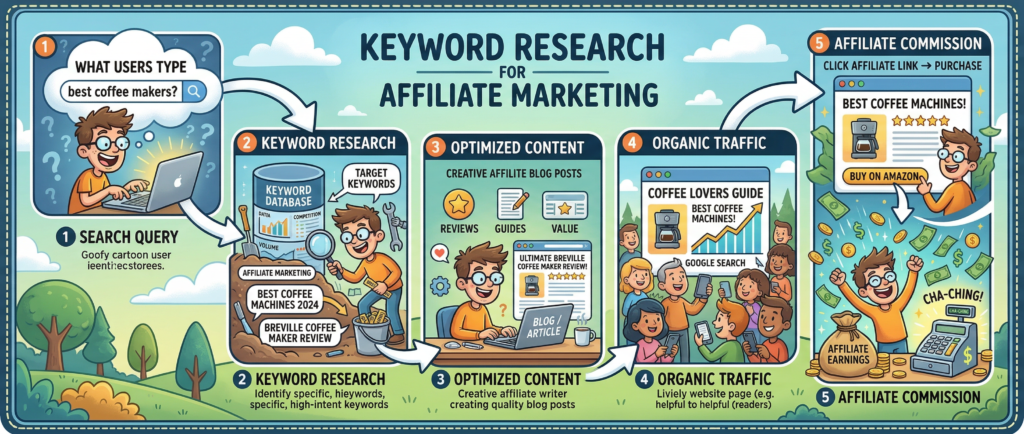
How Keyword Research Fits Into Affiliate Marketing
Keyword research is only one part of building a successful affiliate website. It works together with several other strategies such as content creation, traffic generation, and choosing the right affiliate programs.
If you’re new to affiliate marketing, these guides will help you understand the bigger picture:
- Affiliate Marketing Basics – learn how affiliate marketing works and how beginners build their first online income.
- Traffic Generation Strategies – explore how websites attract visitors through search engines, social media, and other traffic sources.
- Content Marketing for Affiliate Success – discover how high-quality content builds trust and improves affiliate conversions.
- Best Affiliate Programs for Beginners – compare beginner-friendly programs and understand how commissions work.
Keyword research helps affiliate marketers discover what people are searching for before creating content. Instead of guessing which topics might attract traffic, keyword research reveals real search queries used by potential visitors.
By targeting keywords that match search intent, affiliate websites can create articles that answer questions readers are already asking.
Search Intent Analysis
Search intent refers to the reason behind a search query. Understanding search intent helps affiliate marketers create content that matches what users actually want to learn or find.
Search engines try to deliver the most relevant results based on user intent. If your content matches that intent clearly, it has a better chance of ranking.
Most searches fall into four main categories.
Types of Search Intent
| Search Intent | Example Search | Purpose |
|---|---|---|
| Informational | what is affiliate marketing | User wants to learn |
| Navigational | Wealthy Affiliate website | User wants a specific site |
| Commercial | best affiliate marketing training | User researching options |
| Transactional | join affiliate marketing course | User ready to take action |
Affiliate marketers often benefit most from informational and commercial search intent, because these searches bring visitors who are researching solutions and learning new strategies.
Why Search Intent Matters for SEO
Even if you target the right keyword, a page may not rank if the content does not match the search intent.
For example:
Keyword: affiliate marketing tools
If search results show tool lists and reviews, but your article explains how affiliate marketing works, Google may not rank it well because the content does not match what users expect.
Understanding search intent helps ensure your content answers the exact question the searcher is asking.
How to Identify Search Intent
Affiliate marketers can identify search intent by analyzing the current search results.
A simple process is:
- Search the keyword in Google Search
- Look at the top-ranking articles
- Identify the type of content ranking
- Create content that matches the same intent
Keyword tools like Ahrefs and SEMrush also help identify search intent patterns. Understanding Search Intent in Affiliate Marketing
Search intent explains why someone performs a search.
Affiliate marketers should understand three main types of intent.
Informational Searches
These searches are educational.
Examples:
• affiliate marketing tips for beginners 2026
• what is affiliate marketing
• how affiliate marketing works
These keywords build trust and attract traffic.
Commercial Research Searches
These searches happen when users compare products.
Examples:
• best affiliate networks for beginners
• best affiliate marketing training
• SEO tools for affiliate websites
These searches often convert well for affiliate sites.
Transactional Searches
These searches indicate a user may be ready to take action.
Examples:
• join affiliate marketing program
• affiliate marketing training platform
These keywords often generate affiliate commissions.

How to Find Profitable Affiliate Keywords
There are several ways beginners can identify keyword opportunities.
1. Use Google Autocomplete
Start typing a phrase into Google and observe the suggestions.
Example:
affiliate marketing → suggestions like
• affiliate marketing SEO strategies
• affiliate marketing tips for beginners
• affiliate marketing niches
These suggestions come from real user searches.
2. Review Related Searches
At the bottom of search results, Google displays related search queries.
These often reveal long-tail keywords that are easier to rank for.
3. Analyze Competitor Articles
Look at articles already ranking for your target topic and examine:
• article titles
• headings
• keyword variations
This can reveal additional keyword opportunities.
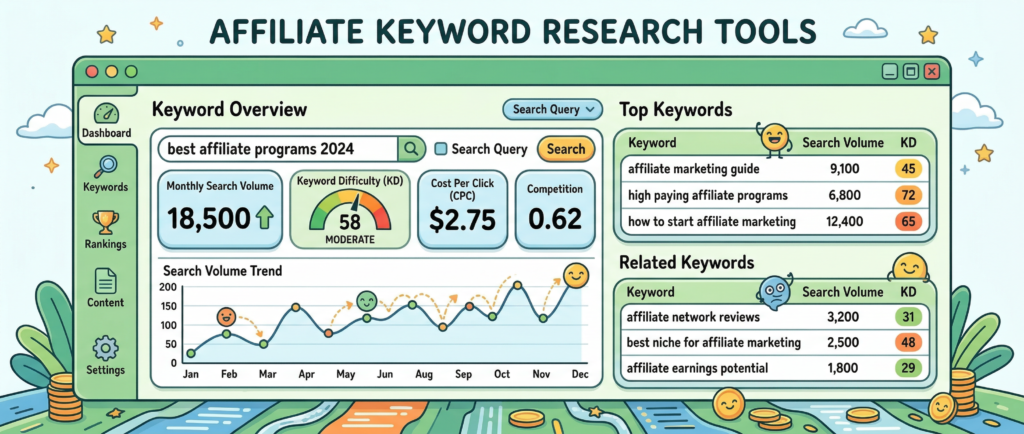
4. Use Keyword Research Tools
Several tools help identify search demand and keyword competition.
Common examples include:
• Google Search Console
• Ahrefs
• SEMrush
• keyword planners
These tools help affiliate marketers understand search demand and traffic potential.
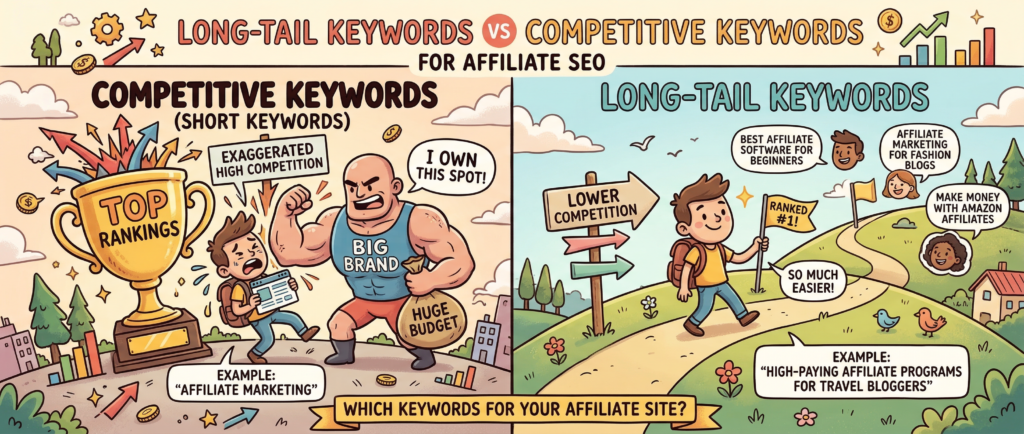
Why Long-Tail Keywords Help New Affiliate Sites Rank
Long-tail keywords are longer, more specific search phrases.
Example:
Instead of targeting:
affiliate marketing
You could target:
how to optimize affiliate content for search engines
Long-tail keywords typically have:
• lower competition
• more specific search intent
• higher ranking potential
This makes them ideal for newer affiliate websites.
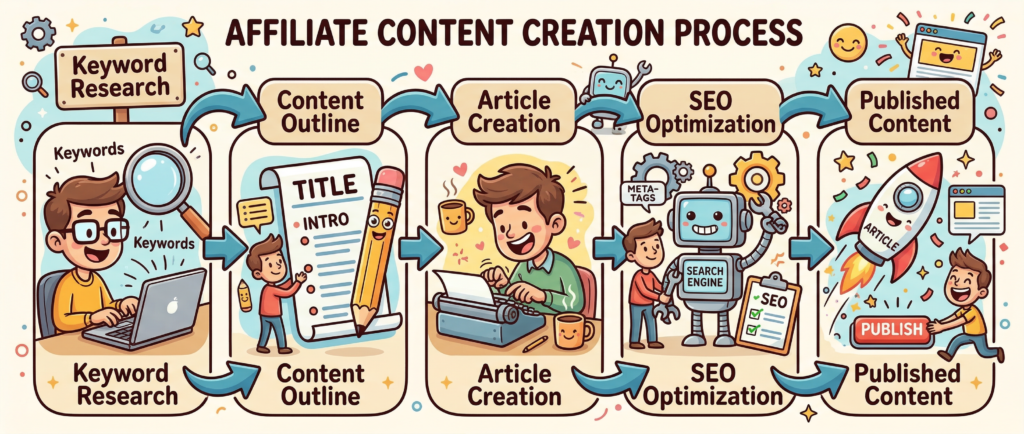
Creating Content Around Your Keywords
After finding the right keyword, the next step is creating helpful content.
High-quality affiliate articles should:
• clearly answer the search query
• include helpful examples
• provide actionable steps
• offer solutions to problems
This approach helps create compelling affiliate content that both readers and search engines value.
If you’d like to learn more about content strategy, see our guide on:
Content Marketing for Affiliate Success
How Keyword Research Connects With SEO
Keyword research works together with several other SEO strategies.
Once you identify a keyword, you should also focus on:
• on-page SEO
• internal linking
• optimized images
• structured headings
Our guide on On-Page SEO Techniques for Affiliate Websites explains these strategies in detail.
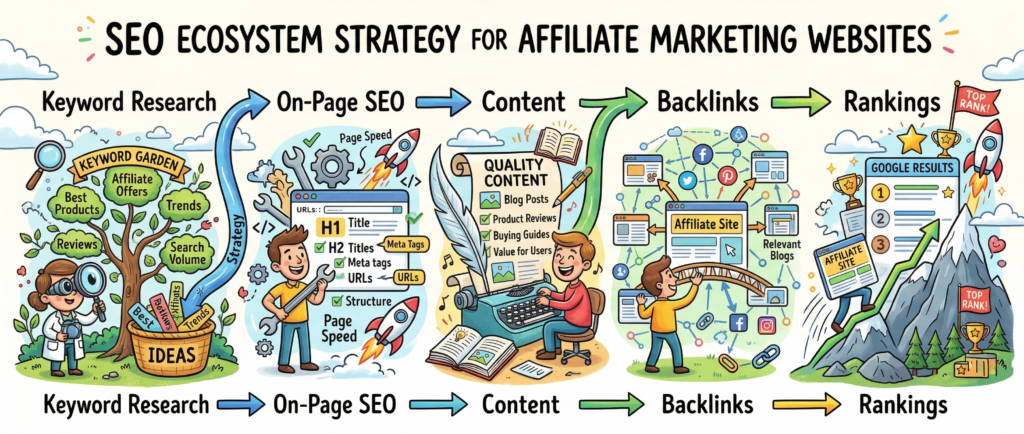
Tracking Keyword Performance
Once your article is published, tracking results is important.
Tools such as Google Search Console can show:
• keyword impressions
• clicks
• search rankings
Tracking performance helps affiliate marketers understand how to track affiliate marketing performance and improve future content.
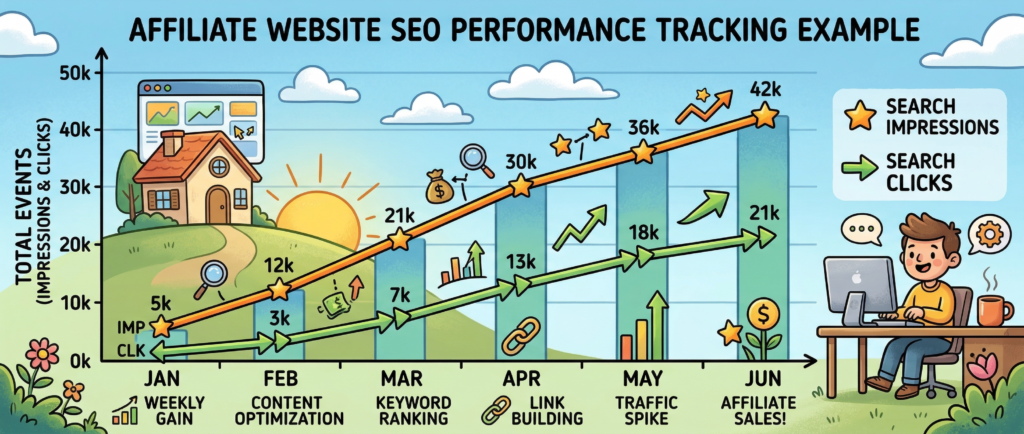
Examples of SEO Affiliate Marketing Success
Many affiliate websites grow by consistently targeting long-tail keywords and publishing helpful content.
Instead of competing for highly competitive terms, successful sites focus on:
• niche topics
• detailed tutorials
• solving specific problems
Over time this strategy can generate steady organic traffic.
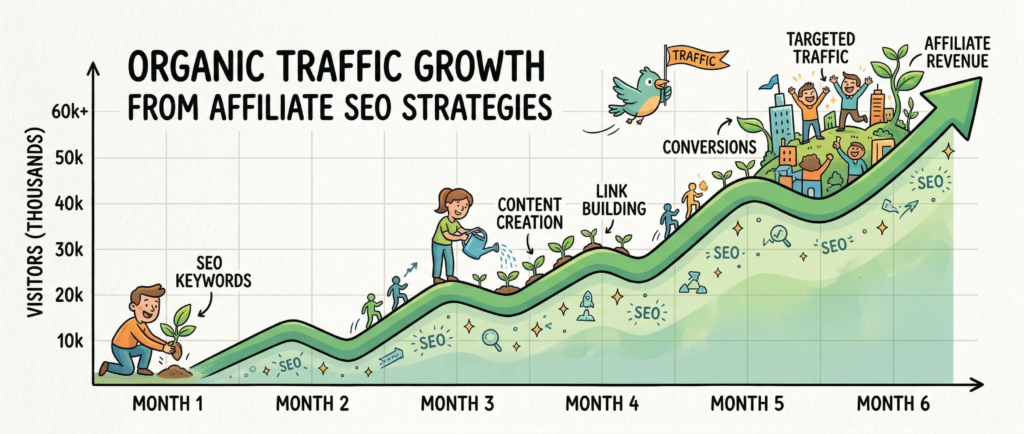
Ready to Learn affiliate SEO Step-by-Step?
Keyword research is one of the most important skills for building an affiliate website.
If you want to learn how affiliate marketers combine keyword research, SEO, and content creation to build online businesses, you can explore beginner training here:
👉Wealthy Affiliate Training Made Simple
Related SEO Guides
If you’re building an affiliate website, these SEO guides may help:
•Keyword Research for Affiliate Marketing
•On-Page SEO Techniques for Affiliate Websites
•Using Long-Tail Keywords to Capture Targeted Traffic
Or return to the main guide:
SEO for Affiliate Marketing for Beginners →
Frequently Asked Questions
What is keyword research in affiliate marketing?
Keyword research helps affiliate marketers discover the phrases people search for online so they can create content that attracts targeted visitors.
How do affiliate marketers find profitable keywords?
Affiliate marketers use search engine suggestions, competitor analysis, and keyword research tools to identify keyword opportunities.
What are long-tail keywords?
Long-tail keywords are longer search phrases with lower competition and more targeted search intent.
Why is keyword research important for affiliate websites?
Keyword research helps affiliate marketers create content that matches search demand and improves the chances of ranking in search engines.
Affiliate Disclosure
Some links on this page may be affiliate links. If you choose to purchase through these links, I may earn a commission at no additional cost to you.
Back to Top
Back to Top ↑