
Part of the SEO for affiliate marketing Learning Hub
Written by Donna
Affiliate marketing researcher and founder of AffiliateEducationForBeginners.com
Last updated: March 2026
Reviewed for SEO accuracy: March 2026
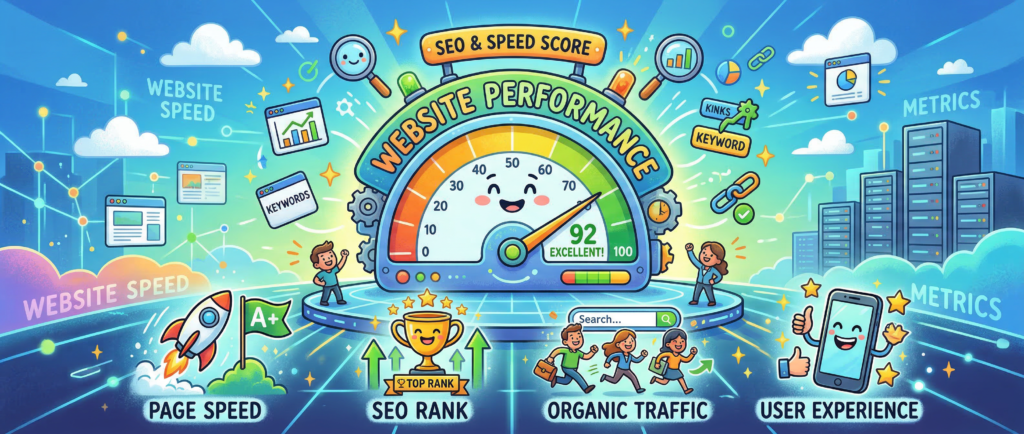
Website speed plays an important role in SEO because it affects both user experience and how search engines evaluate websites. Pages that load quickly help visitors access content faster and allow search engines to crawl pages more efficiently.
For affiliate marketers building educational websites, improving site speed can help create a smoother browsing experience while supporting long-term organic traffic growth.
If you’re learning how SEO helps affiliate websites grow traffic, this guide builds on the strategies explained in our main hub:
👉 SEO for Affiliate Marketing for Beginners
| SEO Strategy | Guide |
|---|---|
| Keyword Research | Keyword Research for Affiliate Marketing |
| On-Page SEO | On-Page SEO Techniques |
| Long-Tail Keywords | Long-Tail Keyword Strategies |
| SEO Tools | SEO Tools Every Affiliate Marketer Should Use |
| Backlinks | How to Build Backlinks |
| Technical SEO | Improving Site Speed |
| Schema Markup | Schema Markup for Affiliate Websites |
| Internal Linking | Internal Linking Strategies |
If you’re new to affiliate marketing and still learning how affiliate websites generate income, you may also want to start with our foundational hub:
👉 Affiliate Marketing Basics – Building an Online Business
Many beginners begin focusing on SEO after they build their first affiliate website and realize that attracting traffic is the next challenge.
👉 How to Start Affiliate Marketing Step-by-Step (Beginner Guide)
What You’ll Learn in This Guide
• why site speed matters for SEO
• what affects website loading speed
• tools used to measure website performance
• simple ways to improve page speed
• how website speed fits into affiliate SEO
Table of Contents
Quick Answer: How Site Speed Affects SEO
Why Site Speed Matters for Affiliate Websites
What Affects Website Speed
Factors That Affect Website Speed
How Site Speed Fits Into Affiliate SEO
Tools to Test Website Speed
Simple Ways to Improve Site Speed
SEO and Website Speed Resources
How This Guide Was Researched
Key Takeaways
Continue Learning SEO for Affiliate Marketing
Frequently Asked Questions
Quick Answer: How Site Speed Affects SEO
Website speed affects SEO because faster websites provide a better user experience and allow search engines to crawl pages more efficiently. When pages load quickly, visitors are more likely to stay on the site, read content, and explore additional pages.
Search engines evaluate performance as part of the overall page experience signals, which means faster websites often perform better in search results.
SEO Guides for Affiliate Marketing
The articles below explain the core strategies affiliate marketers use to grow organic traffic.
| SEO Strategy | Guide |
|---|---|
| Keyword Research | Keyword Research for Affiliate Marketing |
| On-Page SEO | On-Page SEO Techniques for Affiliate Websites |
| Long-Tail Keywords | Using Long-Tail Keywords to Capture Targeted Traffic |
| SEO Tools | SEO Tools Every Affiliate Marketer Should Use |
| Backlinks | How to Build Backlinks for Affiliate Marketing |
| Technical SEO | Improving Site Speed for SEO |
| Schema Markup | Schema Markup for Affiliate Websites |
| Internal Linking | Internal Linking Strategies for Affiliate Websites |
These guides are part of the SEO for Affiliate Marketing learning hub, which explains how search engines interpret website content and rank helpful resources.
👉 SEO for Affiliate Marketing for Beginners
Site Speed and SEO Explained
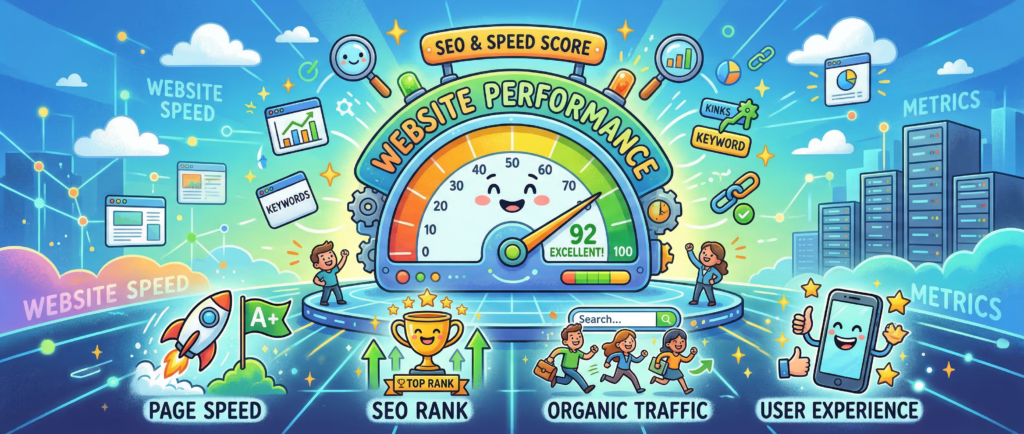
Website speed refers to how quickly a webpage loads and becomes usable for visitors. In SEO, page speed is considered part of the overall page experience, which search engines evaluate when ranking webpages.
Faster websites provide a better user experience, reduce bounce rates, and allow search engines to crawl pages more efficiently.
For affiliate websites that rely on organic traffic, improving page speed helps ensure visitors can access content quickly and continue exploring the site.
How Site Speed Impacts SEO
| Website Speed Factor | How It Affects SEO |
|---|---|
| Page Load Time | Faster pages improve user experience |
| Mobile Performance | Mobile-friendly sites rank better |
| Crawl Efficiency | Search engines crawl faster websites more easily |
| User Engagement | Faster pages reduce bounce rates |
| Page Experience Signals | Speed contributes to Google’s ranking signals |
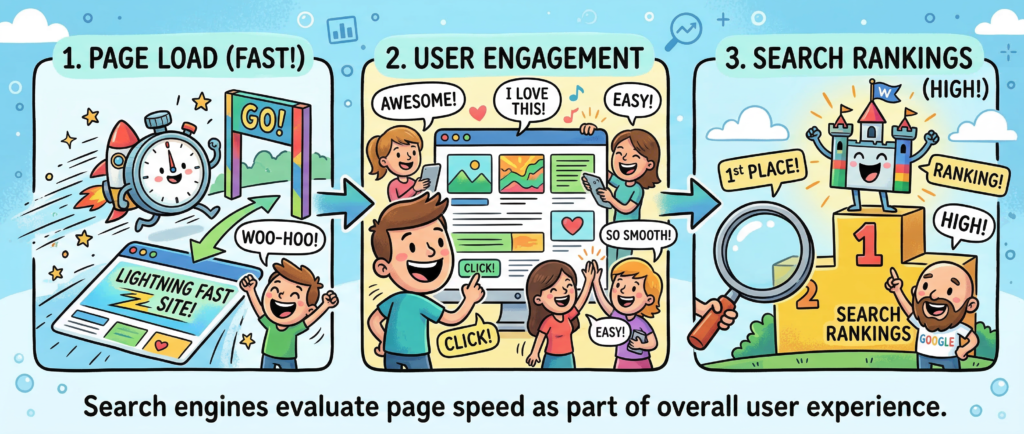
How Site Speed Influences SEO
| SEO Factor | Impact |
|---|---|
| Page Load Time | Faster pages improve user experience |
| Crawl Efficiency | Search engines crawl fast sites more easily |
| Bounce Rate | Slow websites cause visitors to leave |
| Page Experience | Performance contributes to ranking signals |
Why Site Speed Matters for Affiliate Websites
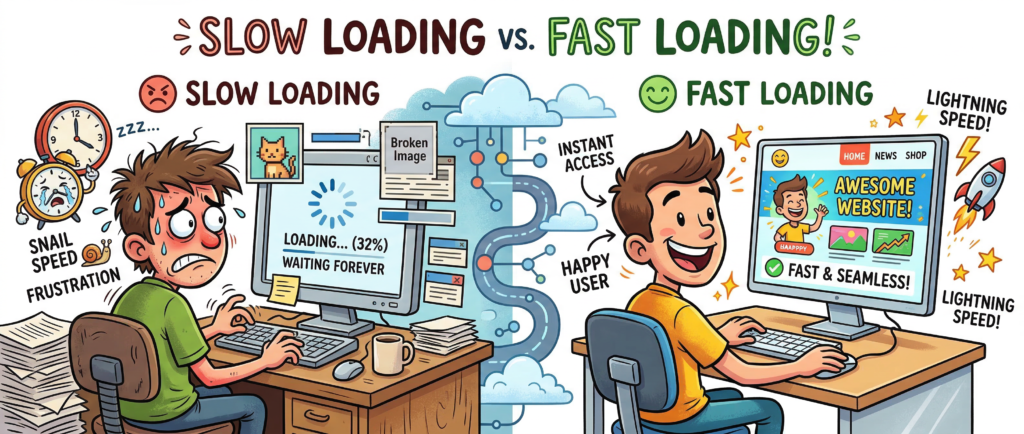
Affiliate websites rely heavily on visitors reading content, exploring tutorials, and navigating between articles. If pages load slowly, visitors may leave before engaging with the content.
Improving site speed helps create a smoother browsing experience, allowing readers to access information quickly and explore additional pages on the site.
For affiliate marketers publishing educational content, faster websites support both user experience and search visibility.
If you are building traffic through:
👉 Keyword Research for Affiliate Marketing
and targeting search phrases using:
👉 Using Long-Tail Keywords to Capture Targeted Traffic
site speed helps those efforts perform better by improving the visitor experience once someone lands on your page.
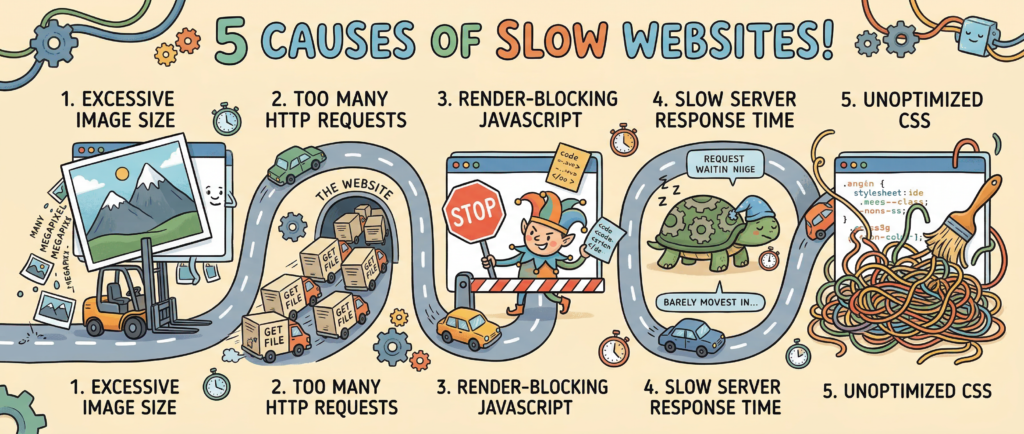
What Affects Website Speed?
Several factors influence how quickly webpages load.
Common causes include:
• large image files
• slow website hosting
• too many plugins
• heavy WordPress themes
• unnecessary scripts
Affiliate websites that publish large images or excessive scripts may experience slower loading times.
Factors That Affect Website Speed
| Speed Factor | What It Means | Why It Matters |
|---|---|---|
| Image Size | Large images load slower | Slows page performance |
| Hosting Quality | Server speed affects load time | Faster hosting improves performance |
| Plugins | Too many plugins add scripts | Extra scripts slow websites |
| Theme Design | Heavy themes contain large code | Increases loading time |
| Caching | Stores webpage versions | Helps pages load faster |
How Site Speed Fits Into Affiliate SEO
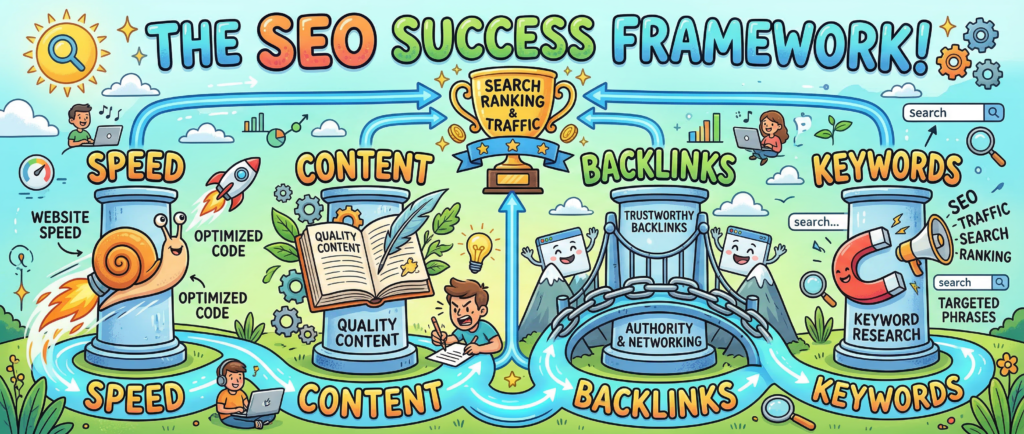
Website performance is part of technical SEO. Successful affiliate websites combine several SEO strategies together rather than relying on only one tactic.
These strategies include:
- 👉 Keyword Research for Affiliate Marketing
- 👉 On-Page SEO Techniques for Affiliate Websites
- 👉Using Long-Tail Keywords to Capture Targeted Traffic
- 👉 SEO Tools Every Affiliate Marketer Should Use
- 👉 How to Build Backlinks for Affiliate Marketing
- 👉Schema Markup for Affiliate Websites
Together, these strategies help affiliate websites grow steady organic traffic.
Website speed is one component of a much larger SEO strategy. Successful affiliate websites combine technical SEO improvements like page speed with keyword research, content optimization, and backlink development.
If you’re learning how these strategies work together to grow organic traffic, you can explore the complete guide in our main hub:
👉 SEO for Affiliate Marketing for Beginners
This hub explains how affiliate websites build traffic through keyword research, on-page SEO, backlinks, and technical optimization.
Learn Affiliate SEO Step-by-Step
Understanding site speed, keyword research, and content optimization can help affiliate websites grow organic traffic.
But many beginners struggle because they try to learn SEO and website building from scattered tutorials online.
When researching how affiliate websites grow traffic, I found a platform that teaches beginners step-by-step how to:
• build an affiliate website
• perform keyword research
• create SEO-optimized content
• attract organic traffic from search engines
👉 Start the Free Wealthy Affiliate Starter Membership
Many beginners begin with the free option to explore the training and learn how affiliate websites grow traffic.
Many affiliate marketers begin learning SEO while working toward earning their first affiliate commission online.
👉 How Beginners Actually Make Their First Dollar Online

Tools to Test Website Speed
Several tools can help you measure page performance and identify problems slowing down your website.
| Tool | What It Does | Why It’s Useful |
|---|---|---|
| Google PageSpeed Insights | Measures page performance | Suggests speed improvements |
| Google Search Console | Monitors search performance | Helps identify crawl issues |
| Ahrefs | SEO research platform | Tracks backlinks and SEO health |
| SEMrush | SEO analytics platform | Analyzes rankings and traffic |

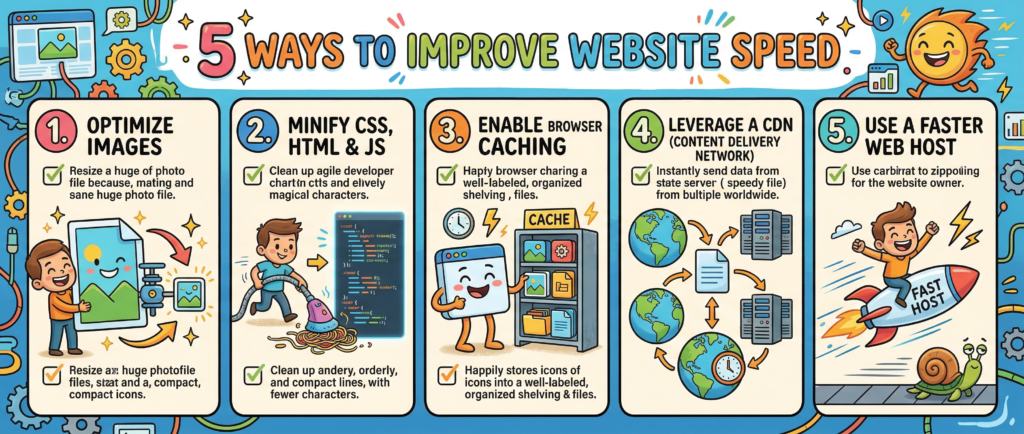
Simple Ways to Improve Site Speed
Many improvements are beginner friendly and can be made without advanced technical knowledge.
Optimize Images
Compress images before uploading them.
Enable Caching
Caching stores versions of pages to load them faster.
Choose Faster Hosting
Reliable hosting improves server response time.
Reduce Plugins
Removing unnecessary plugins reduces scripts running on your website.
Use a Lightweight Theme
Themes with simpler code often load faster.
SEO and Website Speed Resources
Helpful resources include:
• Google PageSpeed Insights
• Google Search Console
• Ahrefs
• SEMrush
These tools help website owners analyze SEO performance and identify opportunities to improve page speed.
Search engines increasingly evaluate website performance as part of overall page experience.
Want to Learn How Affiliate Websites Grow Traffic?
Improving site speed is only one part of SEO.
Successful affiliate websites combine:
• keyword research
• content creation
• technical SEO
• traffic strategies
If you’d like to see how beginners learn these strategies step-by-step, you can explore the free starter training here:
👉 Explore the Free Wealthy Affiliate Starter Training
How This Guide Was Researched
This guide was created as part of ongoing research into how affiliate websites grow organic traffic.
The information in this article is based on:
• Google Search Central documentation
• website performance analysis tools
• SEO research platforms such as Ahrefs and SEMrush
• observations while building affiliate websites
These sources help explain how search engines evaluate website performance.
Key Takeaways
• site speed affects both SEO performance and user experience
• faster websites help search engines crawl pages efficiently
• optimizing images, hosting, and plugins improves performance
• technical SEO supports long-term organic traffic growth
SEO Site Speed Checklist
| Step | Action |
|---|---|
| Optimize images | Compress before uploading |
| Enable caching | Improve repeat load time |
| Reduce plugins | Limit unnecessary scripts |
| Use fast hosting | Improve server response |
| Test performance | Use Page Speed Insights |
Continue Learning SEO for Affiliate Marketing
If you’re building an affiliate website, these guides may help:
• Keyword Research for Affiliate Marketing
• On-Page SEO Techniques for Affiliate Websites
• Using Long-Tail Keywords to Capture Targeted Traffic
• SEO Tools Every Affiliate Marketer Should Use
• How to Build Backlinks for Affiliate Marketing
• Schema Markup for Affiliate Websites
Or return to the main guide:
👉 SEO for Affiliate Marketing for Beginners
Frequently Asked Questions
Does site speed affect SEO rankings?
Site speed is part of page experience and can influence how search engines evaluate websites.
How fast should a website load?
Most websites aim to load within two to three seconds.
What slows down affiliate websites?
Large images, excessive plugins, slow hosting, and heavy themes.
How can beginners improve site speed?
By optimizing images, reducing plugins, enabling caching, and choosing reliable hosting.
What tools measure website speed?
Tools such as Google PageSpeed Insights, Google Search Console, Ahrefs, and SEMrush help analyze site performance.
Back to Top
⬆ Back to Top
Build Your Affiliate Website