
How to Spot affiliate marketing Scams
I wish I could say I spotted affiliate marketing scams right away — but I didn’t. Like most beginners, I was hopeful, curious, and honestly a little overwhelmed. Every website promised results. Every video made it sound simple.
What I didn’t understand yet was that the most dangerous scams don’t feel risky at all in the beginning.
For a comprehensive guide to spotting scams and protecting your affiliate business, see our Online Business Scams & Warnings hub.
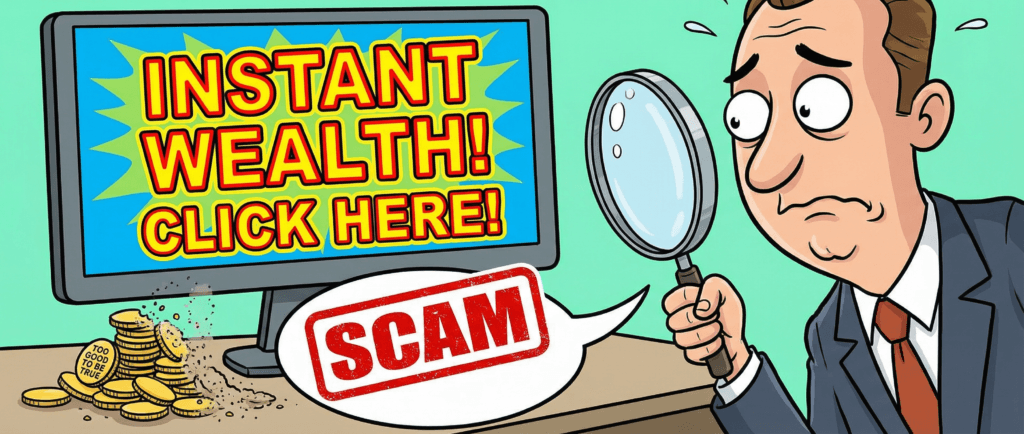
Why Affiliate Marketing Scams Feel So Legit
Most affiliate marketing scams are designed to feel safe. They use professional websites, friendly language, and stories that sound just like yours.
Phrases like “perfect for beginners” or “anyone can do this” are incredibly convincing when you’re just starting out.
The Federal Trade Commission (FTC) has warned that many online income programs rely on misleading claims rather than real education — something I learned the hard way.
The Red Flags I Had to Learn Through Experience
1. Being Asked to Pay Before I Even Understood the Business
If I didn’t fully understand how the money was made, but I was already being asked to upgrade — that was my first real warning sign.
2. Vague Training That “Unlocked” Later
Any program that hides real training behind expensive upgrades is a problem. Education shouldn’t feel like a mystery.
3. Big Income Claims With No Real Explanation
The FTC explains that income screenshots without context are one of the most common scam tactics.
I go deeper into these warning signs here: Top Red Flags in affiliate programs
Spotting scams is just one part of starting smart. Learn the complete beginner roadmap in the Affiliate Marketing Basics guide, including program selection, traffic strategies, and step-by-step advice for beginners.
What Finally Helped Me Avoid Online Scams
The biggest shift for me happened when I stopped chasing shortcuts and started focusing on learning how affiliate marketing actually works.
I realized something important: a legitimate platform should let you look around, learn the basics, and decide for yourself — without pressure.
That’s why having the option to explore a real affiliate marketing platform for free made such a difference for me:
Explore affiliate marketing training with free starter access
Being able to see the training, understand the process, and learn at my own pace helped me immediately eliminate a lot of scammy options.
What Legit Affiliate Education Looks Like (From My Experience)
From everything I’ve learned, legitimate affiliate education focuses on:
- Building real skills like SEO and content creation
- Transparency about how money is made
- No pressure to upgrade
- Learning at your own pace
I’ve put together a list of safer beginner options here if you’re still comparing:
Safe Platforms for Beginners
My Honest Advice Before You Join Anything
If something feels rushed, secretive, or emotionally charged, slow down. Real opportunities don’t disappear overnight.
If you want to learn affiliate marketing without pressure or hype, you can explore the platform I personally use here:
Start learning affiliate marketing safely (free access)
Other Scam Awareness Guides
- Online Business Scams & Warnings hub – Start here for a full overview of scams and safe platforms.
- Online Scams Exposed: How to Avoid Scams
- Common Affiliate Marketing Scams and How to Avoid Them
- How to Spot Affiliate Marketing Scams Before You Lose Money
- My Journey in Finding a Legitimate Online Business Opportunity
- Safe Platforms for Beginners: Avoiding Scams and Finding Legit Opportunities
- Top Red Flags in Affiliate Programs: What to Avoid (and What to Look For)
- Case Studies: Real Affiliate Marketing Scams Beginners Fell For (And What You Can Learn)
Frequently Asked Questions
1: What are common signs of an affiliate marketing scam?
Promises of quick money, high upfront fees, lack of transparency, fake testimonials, or no verifiable contact information.
2: How can I avoid affiliate marketing scams?
Research programs, read reviews, look for real training and mentorship, check for clear payment terms, and avoid programs pressuring you to pay large fees.
Frequently Asked Questions
What are common signs of an affiliate marketing scam?
Promises of quick money, high upfront fees, lack of transparency, fake testimonials, or no verifiable contact information.
How can I avoid affiliate marketing scams?
Research programs, read reviews, look for real training and mentorship, check for clear payment terms, and avoid programs pressuring you to pay large fees.
Disclosure & Disclaimer:
The information shared on this website is based on my personal experience, independent research, and real-world testing while building an online business as a beginner. Some links may be affiliate links, meaning I may earn a commission at no additional cost to you. I only recommend tools and platforms I genuinely trust or use. This content is for educational purposes only, and results are not guaranteed.