Affiliate Marketing for Beginners
Affiliate marketing is a popular online opportunity that sounds pretty appealing, especially if you like the idea of making money by recommending products you actually enjoy. Affiliate marketing is a system where you earn a commission by promoting other people’s products – where you earn commissions for driving sales or leads to a business, usually through your unique tracking links. This system keeps things flexible and gives you plenty of space to try out different strategies to see what works best for you. Here, I’m sharing my step-by-step guide on how affiliate marketing works, answers to common questions, and tips for getting results—even if you’re just starting out. If you’re brand new and want a beginner-friendly platform that walks you through affiliate marketing step by step, Wealthy Affiliate is one of the most popular places to start.
What Is Affiliate Marketing, Really?
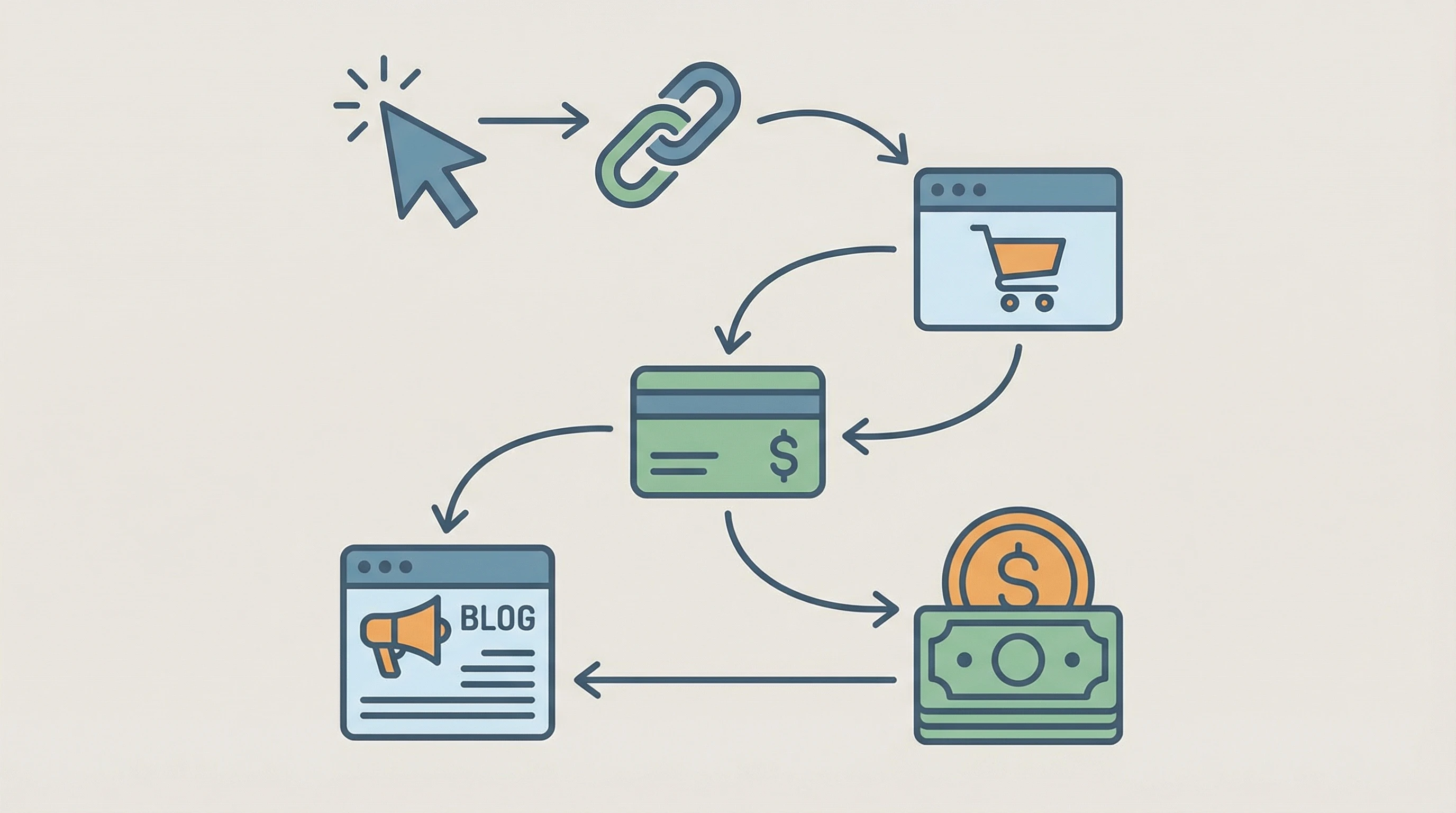
Affiliate marketing is basically a partnership. A company lets you promote its products or services, and you share their stuff using special links. If someone clicks your link and buys something, you get a piece of the sale—your commission. You’re not handling the product, shipping, or customer service; you’re getting paid for bringing in new buyers or leads. Pretty handy if you’d rather not worry about inventory or the technical side of running your own store.
This whole process is powered by affiliate programs, sometimes also called partner programs. Brands as big as Amazon, Booking.com, and Nike all offer them, but plenty of smaller companies do, too. You get set up with a unique link, you share it online (blogs, YouTube, TikTok, email, whatever suits you), and then you can watch your stats grow in your affiliate dashboard.
How Affiliate Marketing Works for Beginners
When you’re new to affiliate marketing, understanding the steps in the process helps set realistic expectations. Here’s the usual flow:
- Sign up for an affiliate program: Pick a company or network and apply to join. Once approved, you’ll get your unique affiliate links.
- Choose products to promote: Focus on items relevant to your niche or audience. For example, someone in fitness might pick supplements, sports gear, or workout apps.
- Share your affiliate links: Place these links in your blog posts, videos, social media bios, or newsletters. Quality content is more likely to attract clicks.
- Track clicks and conversions: Affiliate dashboards let you see clicks, sales, and earned commissions in real time. That’s great feedback for figuring out what’s working.
- Get paid: Once you’ve hit the minimum payout amount, you’ll get your money. Most programs pay through bank transfers, PayPal, or other popular options.
You don’t need to be super tech savvy to get started. If you want an all-in-one affiliate marketing platform that includes training, website building, and support for beginner Wealthy Affiliate is a popular starting point for beginners because it walks you through the process step by step. Most affiliate platforms are designed to be simple. Over time, learning basic SEO and smart content strategies adds up to more clicks and commissions. Many people also begin by checking out free resources on blogging and content marketing to develop their skills and create better recommendations.
Understanding the process is only part of the journey — driving traffic makes it work. See the full beginner-friendly system in my Traffic Generation Strategies guide.
Why Affiliate Marketing Appeals to So Many People
There are some clear perks to affiliate marketing, especially when compared to other online side hustles:
- Low starting costs: You don’t need to buy products upfront, handle inventory, or rent an office.
- Flexibility: You can work whenever works for you, whether that’s a few hours after school or as a full time project.
- Variety: There are programs for pretty much any niche, from cooking and DIY to tech and personal finance.
- No customer service hassles: You’re just referring buyers. The brand handles support.
Because you can grow into it at your own pace, affiliate marketing works well for beginners who want to see what’s possible before jumping in further. Some even try it out alongside a day job, making it a low-pressure way to test the waters of online business. Many find success by focusing on niches they are truly interested in—whether that’s gaming, gardening, or travel advice.
How Much Can You Make? (Can You Really Make $100 a Day?)
Making $100 a day with affiliate marketing feels like a popular milestone, and it’s definitely within reach. The time it takes depends on several things:
- Your niche: Topics with strong buyer intent (think tech products, finance tools, travel) pay higher commissions. Others might be slower but less competitive.
- Your traffic: The more people you reach, the more chances you have to earn.
- Trust with your audience: Readers or viewers are way more likely to click your links and buy if they trust your recommendations.
- Type of content: Tutorials, product reviews, and comparisons usually do very well.
Some affiliates hit $100 a day with one strong blog post that ranks in Google, or one viral video. For most people, it means building up a handful of steady traffic sources, trying different offers, and paying attention to your analytics to double down where things are going well. It’s very possible, but almost always comes with some trial and error. Many beginner affiliates start small and gradually build up their income, learning which methods generate the best results and tweaking their strategies over time.
The 80/20 Rule and Why It’s Relevant for Affiliate Marketing
The 80/20 rule, sometimes called the Pareto Principle, shows up everywhere in business, and affiliate marketing is no exception. Here’s how it usually plays out here: 80% of your affiliate income will come from about 20% of your content or links.
I’ve noticed that a few key blog posts or videos account for most of my commissions, while the rest bring in occasional clicks or sales but not much more. The trick is to figure out what content (or products) performs best, and then focus your effort there instead of spreading yourself too thin.
- Use analytics to see which posts or pages lead to sales.
- Update and improve those top performers.
- Create more content on similar topics.
Rather than guessing, let real-world numbers show you where your income is coming from. Being strategic with your time like this can make everything a lot easier. In addition, tracking your top-performing traffic sources and focusing on those can make your progress more predictable.
Step-by-Step: Launching Your First Affiliate Campaign
Getting your first affiliate setup live is easier than you might think. Here’s a quick rundown:
- Pick a platform: Will you use a blog, YouTube channel, Instagram, or another space?
- Join an affiliate program: Some easy start options for beginners include Wealthy Affiliate (which combines training, hosting, and a community in one place), Amazon Associates, ShareASale, and CJ Affiliate.
- Research high-potential keywords: Tools like Ubersuggest or Google Keyword Planner clue you in on what people actually search for.
- Create content: Write a blog post or record a video about a problem, and naturally recommend relevant affiliate products as solutions using a structured training platform designed for beginners.
- Optimize for clicks: Place your affiliate links where they fit, and make sure you’re following the program’s rules.
- Promote your content: Share it on social media, with your email list, or in relevant communities.
- Track your progress: Check your affiliate dashboard every few days and tweak your process based on what you see.
Don’t worry if you don’t see immediate results—the key is to keep testing new products and tweaking your content. Over time, you’ll spot patterns that show where to focus your energy for bigger wins. Joining online communities or forums dedicated to affiliate marketing can also provide support and new ideas as you get started.
Step-by-step guides are great, but the bigger picture matters too. See our full beginner’s guide to Affiliate Marketing Basics to understand the entire roadmap and internal cluster links for deeper learning.
Challenges You Might Run Into (And Practical Ways to Tackle Them)
Affiliate marketing isn’t all sunshine and instant commissions. Here are a few common headaches beginners hit, along with some quick solutions I’ve found helpful:
- Slow traffic growth: Stick with proven content types, like product reviews and tutorials. Consistency and patience matter here.
- Low conversions: Test new product offers or switch up how and where you add affiliate links. Sometimes just moving a link higher in the article boosts results.
- Program rejections: Some programs want you to have a site with content already published. Build up a little authority with a few helpful articles before applying.
- Regulation and trust: Follow FTC rules and always disclose your affiliate relationships clearly.
Every affiliate marketer faces obstacles. The important thing is to keep learning, adapt your approach, and not get discouraged by slow progress. Looking at what successful affiliates in your field are doing can often give you inspiration and insight on how to move ahead.
Helpful Tools for Affiliate Marketers
Using a handful of tools can save loads of time and make the job easier:
- Wealthy Affiliate: A beginner-friendly platform that combines affiliate marketing training, website hosting, keyword research tools, and a supportive community.
- ThirstyAffiliates or Pretty Links: For managing and cloaking affiliate links on your blog.
- Google Analytics: To track which content gets the most visitors and conversions.
- Email marketing platforms: Like ConvertKit or Mailchimp to build your audience for future promotions.
- Canva: For creating eye-catching graphics and social media images that can boost clicks.
- Keyword research tools: Such as Ahrefs or SEMrush, to find topics your audience wants to read about.
Over time, as you grow, you can test out more advanced tools or premium plugins that fit your workflow. But even free versions of these tools can give your affiliate business a good head start.
Advanced Strategies: Making $10,000 per Month and Beyond
Reaching $10,000 in monthly affiliate income takes time and a solid game plan. These are a few proven strategies I see used by top performing affiliates:
- Build or buy niche sites that rank in Google: Focus on high-value topics with strong buyer intent. Longform articles, indepth comparisons, and honest reviews do especially well for SEO.
- Grow an email list: Get people onto your list with a useful freebie. You can then recommend relevant products again and again.
- Mix in some variety with your affiliate programs: Don’t rely only on one link or company. Spreading across a few helps cushion you against changes or cancellations.
- Create evergreen content: Articles or videos with steady year round interest (like “best hiking backpacks” or “top productivity tools”) bring in sales month after month.
- Scale through paid ads or partnerships: Once you know which offers work, invest some of your profits into reaching more people via ads or joint ventures.
Most affiliates don’t hit $10,000 instantly, but plenty have gotten there in a year or two by treating it like a real business: researching what works, making improvements, and providing real value in their recommendations. Inspiration from others who’ve “made it” is easy to find on forums or YouTube. You’ll see it’s possible if you stick with it. If you keep sharpening your skills and experimenting with new methods, it’s very realistic to build up to this level over time.
Real-World Examples of Affiliate Marketing Success
- Blogging: A tech blogger uses indepth reviews and comparison guides to earn commissions on laptops, software, and accessories.
- YouTube: A creator shows hands-on product demos, linking to products with affiliate links in the description.
- Instagram: An influencer shares beauty products, using “swipe up” or link in bio affiliate links.
You don’t need a massive audience to start. Many niche site owners make steady cash with just a few thousand visitors a month, simply by dialing into what their audience wants. In some cases, even micro-influencers can pull in consistent commissions by focusing on building genuine community and trust. Small, targeted audiences can sometimes convert even better than huge, general ones—especially if your recommendations line up with what your audience loves.
Frequently Asked Questions
How does affiliate marketing work for beginners?
It’s pretty straightforward: sign up for an affiliate program, choose products to promote, share your unique links, and earn commissions when others buy through your links. Content creation and honest recommendations help build trust and increase your results over time.
Can you make $100 a day with affiliate marketing?
Yes, with consistent effort and the right strategies, making $100 a day is doable, especially if you focus on high-potential niches, helpful content, and building traffic sources that compound over time.
What is the 80/20 rule in affiliate marketing?
The 80/20 rule means roughly 80% of your affiliate income will come from about 20% of your content or efforts. Using analytics to spot which posts, videos, or emails perform best allows you to focus where returns are highest.
How can I make $10,000 per month with affiliate marketing?
Scaling up to five figures a month usually involves building authority sites in profitable niches, growing an email list, making the most of SEO, mixing in some variety with your affiliate partnerships, and continuously improving your best-performing content. Most importantly, stay patient and keep learning from data and feedback.
Getting Started the Right Way
If you’re ready to take your first real step into affiliate marketing, starting with a structured platform can save you time and frustration. Wealthy Affiliate offers beginner training, website tools, and community support in one place, making it easier to move from learning to actually earning. If you want to get started with affiliate marketing the right way—without guessing or jumping between random tools—Wealthy Affiliate gives you everything you need in one place.
Affiliate marketing offers real opportunities for beginners, side hustlers, and future entrepreneurs alike. With the right approach, upfront patience, and a willingness to experiment, it’s possible to turn your efforts into a solid online income stream. Stick with quality content, track your results, and always look for ways to offer value to your audience. That’s what makes affiliate marketing worth it and helps you grow steadily over time. To keep moving forward, check out leading affiliate marketing blogs, courses, and podcasts so you can learn, adapt, and thrive as the online landscape keeps changing. Wrapping up, affiliate marketing is both accessible and rewarding for those willing to learn and stick with it. Good luck launching your adventure!
Learn how to start, grow, and monetize your online business with our Step-by-Step Affiliate Marketing Guide (2026). For guided training and tools, check out Wealthy Affiliate.
When you’re ready to turn traffic into income, start here:
7 Affiliate Programs Beginners Can Actually Make Money With (2026)
This website contains affiliate links, this means if you click and make a purchase we may receive a small Commission. Don’t worry there is no extra cost to you. It’s a simple way you can support our mission to bring you quality content.
Related Resources
- How to Start Affiliate Marketing: Step-by-Step Beginner’s Guide (2026)
- What Actually Converts for Beginners? Content That Earns Your First Affiliate Commission (2026)
- Affiliate Marketing Timeline (How Long It Really Takes)
- Step-by-Step Actions to Earn Your First Dollar Online
- Common Beginner Mistakes That Delay Affiliate Marketing Earnings (2026)
- Why Your First Affiliate Commission Takes Longer Than Expected
- Traffic Strategies Before Your First Sale
- Realistic Timelines for Your First Dollar Online
- Common Myths About Affiliate Marketing Debunked
- Understanding AM Terminology